Rental acquisition
A leased or lease-ready investment property purchased for long-term income.
Rental property financing education
Understand how rental income relates to modeled debt service, test the property numbers, and prepare a clear business-purpose financing scenario for professional review.
The essential answer
Debt service coverage ratio, or DSCR, compares qualifying property income with the recurring housing or debt obligation used by the provider. A result above 1.00x means the modeled income exceeds the modeled obligation; a result below 1.00x means it does not. That arithmetic is useful, but it is only the beginning of underwriting.
A provider may use the lease, appraisal market rent, operating history, or another permitted source of income. It may calculate principal and interest using a note rate and amortization term, then add taxes, insurance, association dues, and other property-specific items. Short-term rentals, vacant properties, multifamily assets, and mixed-use properties may be reviewed differently.
Common use cases
The same ratio can sit inside very different transactions. The property and business plan determine which facts must be reviewed.
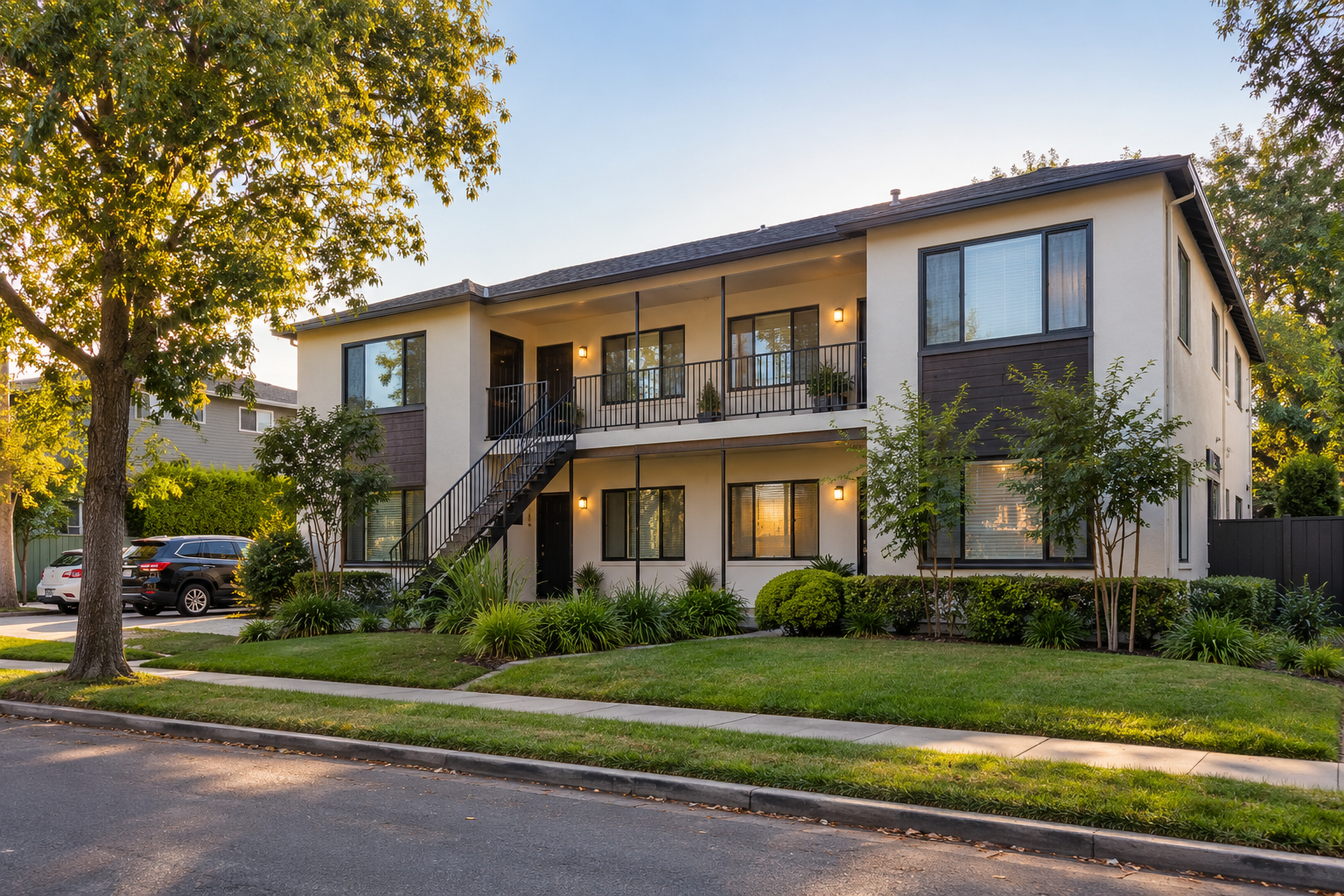
A leased or lease-ready investment property purchased for long-term income.
A rental loan reviewed around current income, debt payoff, value, and the new payment.
An equity request that still needs a clear use of proceeds, leverage, and sustainable property cash flow.
A single-property or multi-property strategy where each asset and the aggregate obligations must be understood.
A scenario requiring careful income evidence, management assumptions, market support, and provider confirmation.
A property moving from acquisition or renovation into stabilized long-term financing after defined milestones.
Focused DSCR resources
These pages answer distinct search intents without forcing every state and city combination into the index.
DSCR calculator
Type or drag all seven inputs. The calculator shows the formula transparently and does not turn a ratio into a qualification claim.
Defaults are illustrative assumptions, not current rates or program limits. This models a fully amortizing monthly payment, not interest-only or balloon terms. It excludes maintenance, management, vacancy, capital repairs and closing costs. A ratio above 1.00 does not establish profit. Providers may use different rent evidence and underwriting rules. This result is not eligibility, a quote, or an approval.
Review lenses
These are preparation categories, not universal approval criteria. The receiving professional confirms the actual document set and program.
Address, property type, unit count, current occupancy, lease status, condition, and intended use.
Current lease or rent roll, appraisal market rent when applicable, operating history, and treatment of short-term-rental income.
Purchase or refinance, requested proceeds, payoff, cash-out purpose, rate assumption, amortization, term, and prepayment structure.
Purchase price or current value, requested loan amount, property condition, and any capital improvements that affect the plan.
Borrowing entity, guarantor information, relevant credit context, ownership, experience, and required disclosures.
Funds to close, post-closing reserves, repairs, vacancies, operating cushion, and the ability to absorb unexpected costs.
Terms without invented promises
Rates and thresholds change. Veldinext does not publish a teaser rate, minimum DSCR, minimum credit score, maximum leverage, or closing-time guarantee without a confirmed receiving program.
Potential fit
Pause first
DSCR questions
The goal is a useful first conversation with transparent limits—not a universal underwriting promise.
A DSCR loan is commonly used to describe business-purpose rental-property financing in which the property's income and modeled debt obligations are central to the review. The borrower, entity, property, rent evidence, credit context, reserves, and provider rules can still matter.
A common simplified model divides qualifying monthly rental income by monthly principal, interest, taxes, insurance, and association dues. Provider methods differ: some apply vacancy factors, use appraisal rent, treat short-term-rental income differently, or include other expenses.
There is no universal threshold we can responsibly publish before a provider reviews the scenario. The required ratio can change with property type, leverage, rent documentation, credit, reserves, loan size, prepayment structure, and market conditions.
It can be submitted for a conversation, but availability is not promised. A professional may need to review lower leverage, stronger reserves, a different rent basis, a different structure, or a different financing path.
Some providers review short-term-rental properties, but their income documentation, market data, management history, occupancy assumptions, and reserve requirements can differ from long-term rentals. The receiving professional must confirm the current program.
Documentation varies. DSCR products are often researched because the property income is important, but that does not mean every provider waives every borrower, entity, credit, liquidity, or documentation review.
No. It is an educational model based entirely on the values you enter. It does not validate rent, include every expense, apply provider overlays, or represent a rate quote, approval, or commitment.
Veldinext Capital is presented as an intake and routing platform, not a bank or direct lender. An independent broker or financing provider determines whether a DSCR or another investment-property option is available.
Editorial and role disclosure
This page answers the DSCR search intent and provides a working calculator, but it does not state that a particular provider will accept the request. Before the site is opened to indexing, the receiving broker or provider must confirm products, jurisdictions, required disclosures, lead-routing permission, and compensation compliance.
Content reviewed for clarity on September 8, 2026. Calculator assumptions and product facts must be rechecked before launch.